
Wider Than the Usual Names
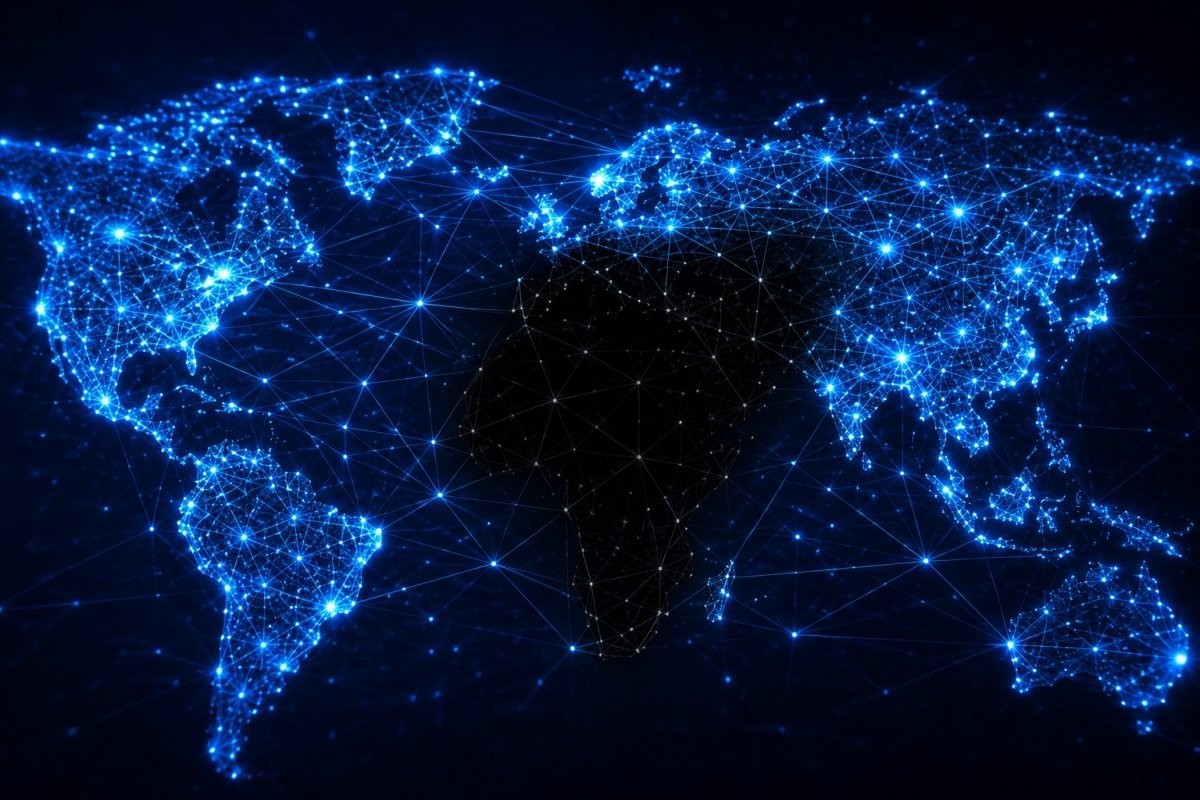
When people picture state surveillance, the same handful of countries usually come to mind - China, Russia, North Korea. That framing, while not wrong, understates how widely the underlying practices have spread. A large-scale academic measurement study covering 221 countries over 20 months found an uptick in censorship-related activity in 103 of them - nearly half the world - including several countries not typically associated with authoritarian internet control at all.
How Surveillance Technology Actually Works Now
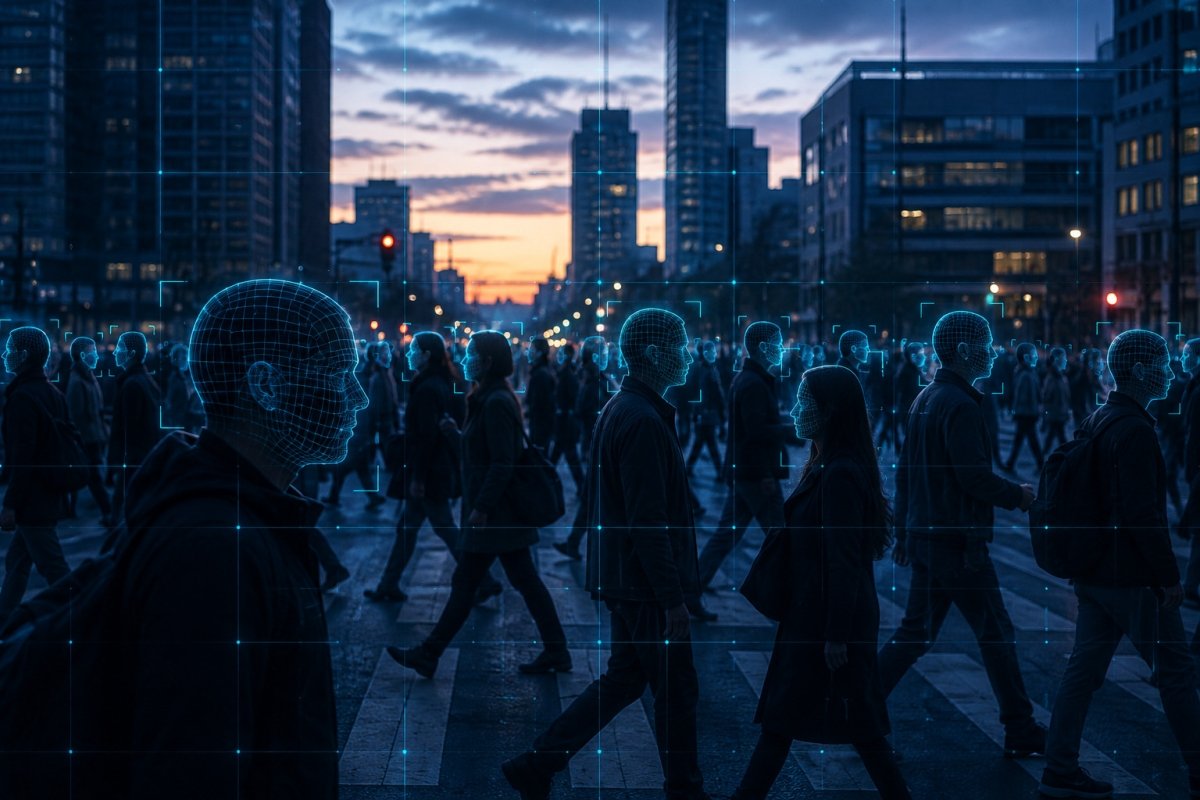
Modern state surveillance rarely resembles the crude, easily identified blocking of earlier decades. It increasingly combines several layers: mass data collection from telecom providers, sometimes without a court order; AI-assisted facial recognition integrated into public camera networks, capable of tracking individual movement across a city over time; and targeted spyware capable of remotely accessing a specific individual's phone - contacts, messages, location, even microphone and camera - often deployed against journalists, activists, and political opposition figures specifically rather than the general population.
China's Model, and Its Wider Influence
China's "Great Firewall" remains the most extensive and technically sophisticated example, blocking thousands of websites and, more recently, extending to block access to foreign AI platforms and chatbots outright. What's less widely understood is that elements of this surveillance and censorship technology stack are increasingly exported - sold or provided to other governments seeking similar capability, meaning the technical infrastructure for extensive state surveillance is no longer something only a handful of technologically advanced states can build independently.
The "National Security" Justification Problem
Nearly every state surveillance programme is publicly justified in similar terms - national security, crime prevention, public order. The genuine difficulty is that these justifications are frequently real in part while also providing cover for monitoring that extends well beyond any specific security threat, into tracking journalists, political dissidents, and ordinary citizens engaged in entirely lawful activity. Because the underlying legal frameworks authorising this surveillance are often vague or classified, external verification of where legitimate security monitoring ends and political surveillance begins is frequently impossible for outside observers or even domestic courts to establish with confidence.
It's Not Purely an Authoritarian Phenomenon
Democracies are not exempt from this trend, even if the scale and stated safeguards typically differ. Data retention laws, expanded law enforcement access to communications metadata, and public camera networks with facial recognition capability have expanded in numerous democratic countries over the past decade, generally with more legal oversight and public debate than in authoritarian contexts, but not without genuine controversy over scope and abuse potential. The distinction that tends to matter most in practice is less "does surveillance exist" and more "what independent oversight, judicial review, and public accountability exists to constrain how it's used."
What This Means for Ordinary People
For most people living outside a specific targeted category - journalists, activists, political dissidents - the most direct exposure to expanding state surveillance capability is usually indirect: normalised data collection practices that later get repurposed, public camera networks whose footage retention and access policies are rarely transparent, and a general erosion of the assumption that private communication stays private. Digital rights organisations consistently recommend the same practical baseline regardless of which country someone lives in: end-to-end encrypted messaging apps for sensitive communication, awareness of what data local law requires companies to retain and for how long, and support for legal frameworks that require judicial oversight before surveillance powers can be used against a specific individual.