
The Theory Almost Everyone Has Heard
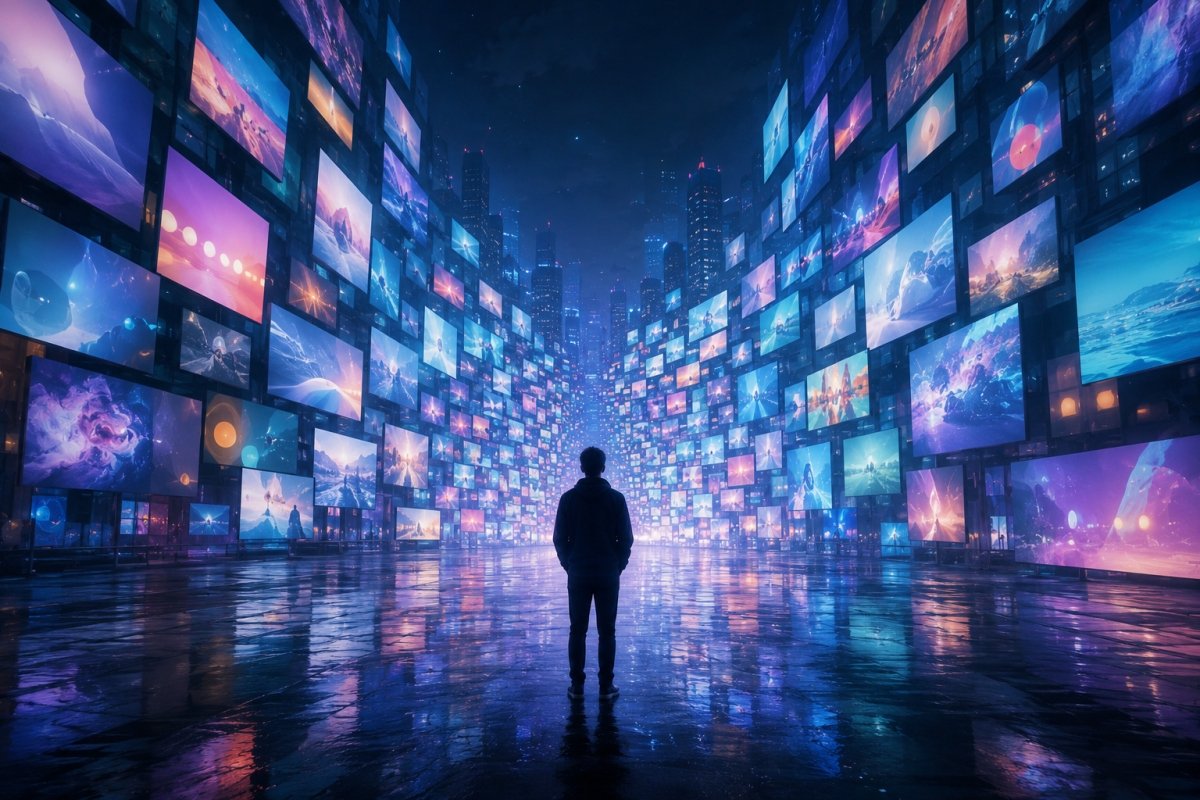
The "filter bubble" concept - the idea that personalisation algorithms progressively narrow what each person sees to match their existing views, gradually sealing them into an information environment that only reinforces what they already believe - has become one of the most widely repeated explanations for rising political polarisation. It's an intuitive, easy-to-visualise theory, and it has shaped substantial public debate and platform policy over the past decade.
What Large-Scale Research Has Actually Found
The empirical picture is considerably murkier than the theory's popularity suggests. Large-scale studies using real user data, rather than simulated accounts, have consistently found that most people's actual media diets are less ideologically narrow than the pure filter bubble theory predicts - most users, even heavy social media users, are exposed to a meaningful amount of cross-cutting content, content that challenges rather than confirms their existing views, even if they engage with it less than with confirming content. Some of the strongest recent research, including counterfactual studies using bot accounts, has found the recommendation algorithm's independent contribution to political polarisation is real but modest - smaller than a person's own active choices about what to seek out and engage with.
The Distinction That Actually Matters
Researchers increasingly draw a distinction between exposure and selection. Algorithms do shape what's available and how prominently it's surfaced - that part is well documented. But a large share of the narrowing effect appears to come from users' own active choices: who they follow, what they search for, what they click on and share - selection effects that exist with or without any algorithm at all, and that predate social media entirely. Cable news, talk radio, and even choice of newspaper have shown similar selective-exposure patterns for decades before recommendation algorithms existed, suggesting algorithms may be accelerating and scaling a pre-existing human tendency rather than creating an entirely new phenomenon from nothing.
Where the Effect Does Seem Real
None of this means algorithmic curation has no effect - it means the effect is more specific and more contested than the popular narrative suggests. Evidence is more consistent for a related but distinct effect: negativity and emotionally charged content being disproportionately amplified regardless of political direction, because such content reliably drives more engagement. Some research has also found the effect varies meaningfully by platform and by political leaning - a few studies have found more pronounced amplification effects for right-leaning content specifically on YouTube, for instance, while other studies of the same platform found no significant partisan asymmetry, illustrating just how methodology-dependent these findings currently are.
Why This Debate Isn't Just Academic Hair-Splitting
Getting this right matters for what kind of solution makes sense. If algorithms are the primary cause of political division, the fix looks technical - redesigning recommendation systems, adding more diverse content by default. If a meaningful share of the effect comes from people's own selective exposure choices, technical fixes alone won't solve it, and addressing polarisation requires grappling with underlying social and psychological drivers of why people prefer confirming information in the first place - a much harder, less platform-specific problem.
What a Reasonable Person Should Take From This
The evidence supports treating "echo chambers" as a real but overstated phenomenon - algorithms likely play some role in what people see, but current research suggests it's smaller and more conditional than the popular narrative implies, and personal choice plays at least as large a role. Practically, this means the most reliable individual defence isn't waiting for platforms to fix their algorithms - it's deliberately seeking out a range of sources yourself, which the same research suggests most people are more capable of doing, and already do more than the filter bubble theory would predict, than the popular narrative gives them credit for.