
The Honest Starting Point: EVs Start Out Dirtier
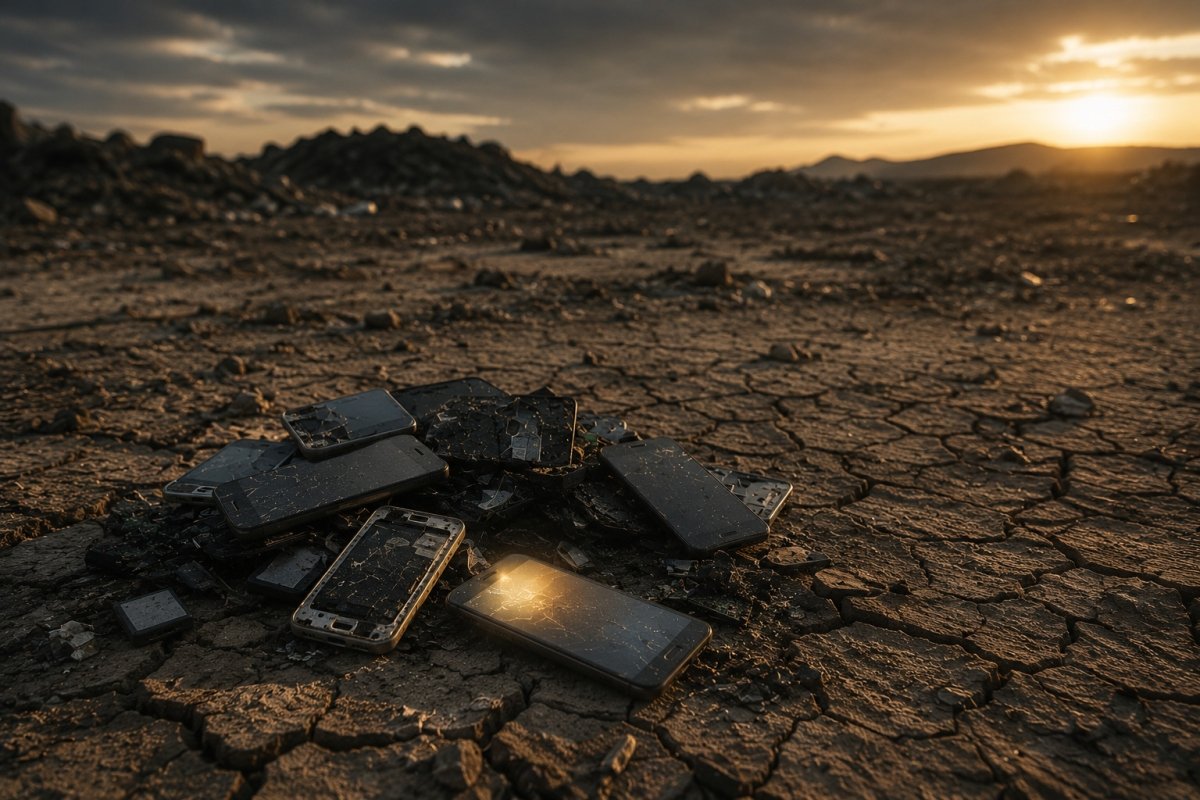
This is the part EV marketing tends to skip, and it's real: manufacturing an electric vehicle currently produces meaningfully more emissions than manufacturing a comparable petrol car, almost entirely due to battery production. One rigorous 2025 study found EVs produce roughly 30% higher CO2 emissions than petrol vehicles during their first two years, driven by the mining and processing involved in building the battery pack. Critics who point to this aren't wrong - it's a genuine, measurable cost that any honest accounting has to include.
Where the Balance Actually Tips
What the "EVs are dirtier" argument leaves out is the rest of the vehicle's life. That same study found the higher manufacturing emissions are fully offset within about two years of typical driving, after which EVs pull consistently ahead because their operational emissions are so much lower. Over a full 18-year average vehicle lifetime, the research estimated petrol cars cause two to three and a half times more total environmental damage than electric equivalents. A separate, independently conducted European life-cycle analysis found EVs produce 73% lower lifetime emissions than petrol cars overall, rising to 78% lower when charged on renewable electricity specifically.
The Part That's Still a Genuine Problem
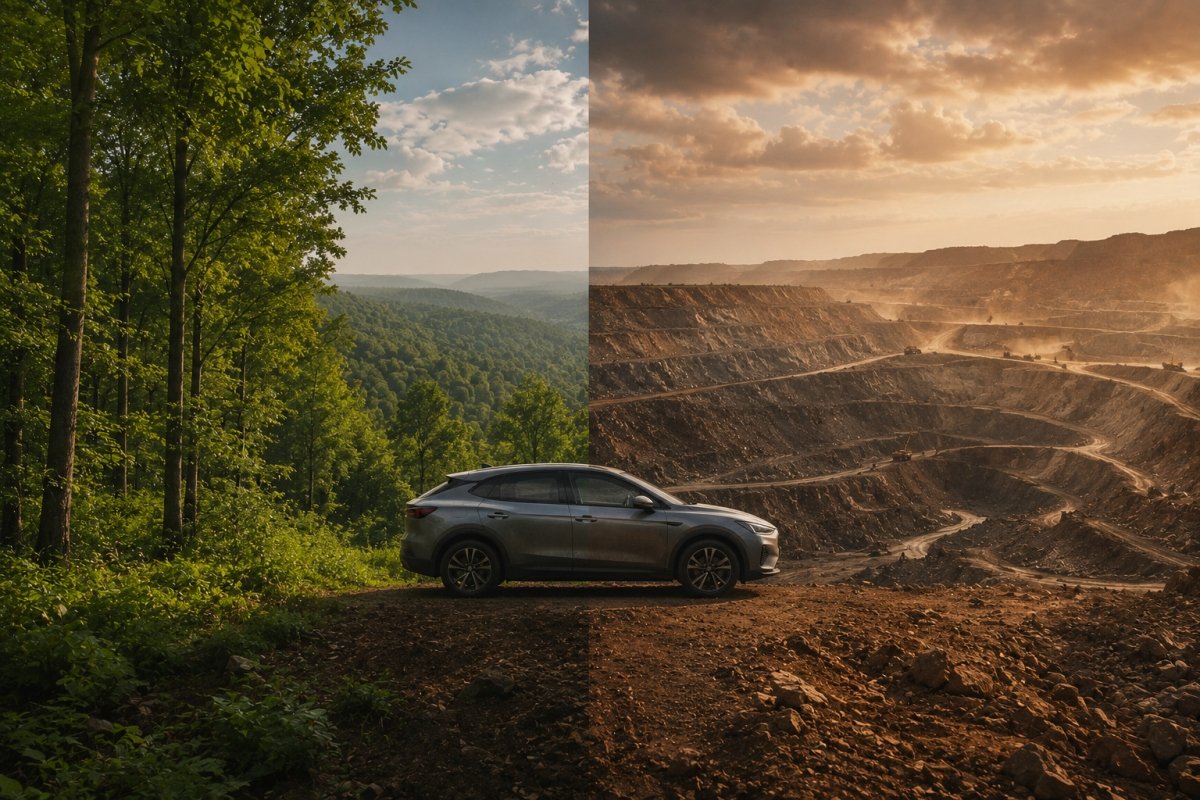
None of this erases the real environmental and human cost of battery mineral extraction. Lithium mining is water-intensive and has caused documented ecological damage in extraction regions, particularly in South America's lithium-rich salt flats. Cobalt mining, concentrated heavily in the Democratic Republic of Congo, has been repeatedly linked to unsafe labour conditions, including child labour in parts of the informal mining sector - a serious ethical problem that exists independently of the climate math and isn't resolved just because the vehicle's operational emissions are lower. Battery production emissions are also heavily concentrated in a small number of countries - China, Indonesia, and Australia account for roughly two-thirds of the global total - meaning the environmental burden of "cleaner" driving in wealthier countries is disproportionately borne elsewhere.
It's Getting Better, Not Static
The trend lines matter here. As electricity grids decarbonise - more renewable energy replacing coal and gas in the mix that charges EVs - their lifetime emissions advantage grows automatically, without any change to the vehicle itself. Battery recycling technology is also improving quickly enough that researchers project it could cut future production emissions by well over half compared to relying entirely on newly mined materials, and a shift toward lithium-iron-phosphate battery chemistry, which avoids cobalt entirely, is already reducing the ethical mining concerns tied to older battery designs.
The Honest Verdict
EVs are not a pollution-free technology, and it's fair to be sceptical of marketing that implies otherwise. But over any realistic ownership period - and the research is now fairly consistent on this point - they produce substantially less total environmental damage than the petrol vehicles they replace, and that gap is widening every year as grids get cleaner and battery supply chains improve. The genuinely unresolved problem isn't whether EVs are better for the climate; it's ensuring the human and ecological cost of the mining that makes them possible is properly accounted for and addressed, rather than treated as someone else's problem simply because it happens somewhere less visible.